Epic Norse Tees & Designs
Discover unique T-shirts inspired by Norse mythology, runes, and Viking heritage. Wear the legends and symbols that tell timeless stories. Shop now to embrace your Viking spirit!
Gallery
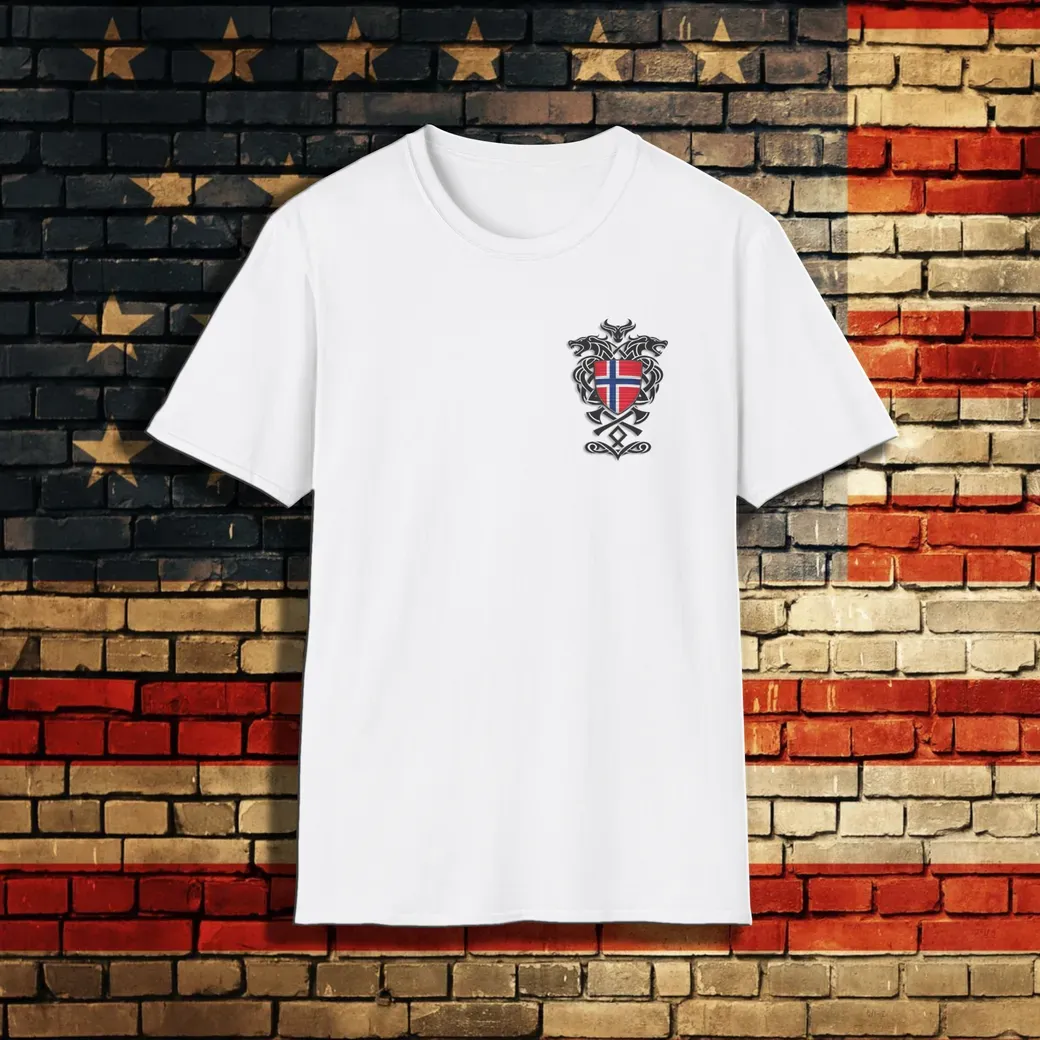
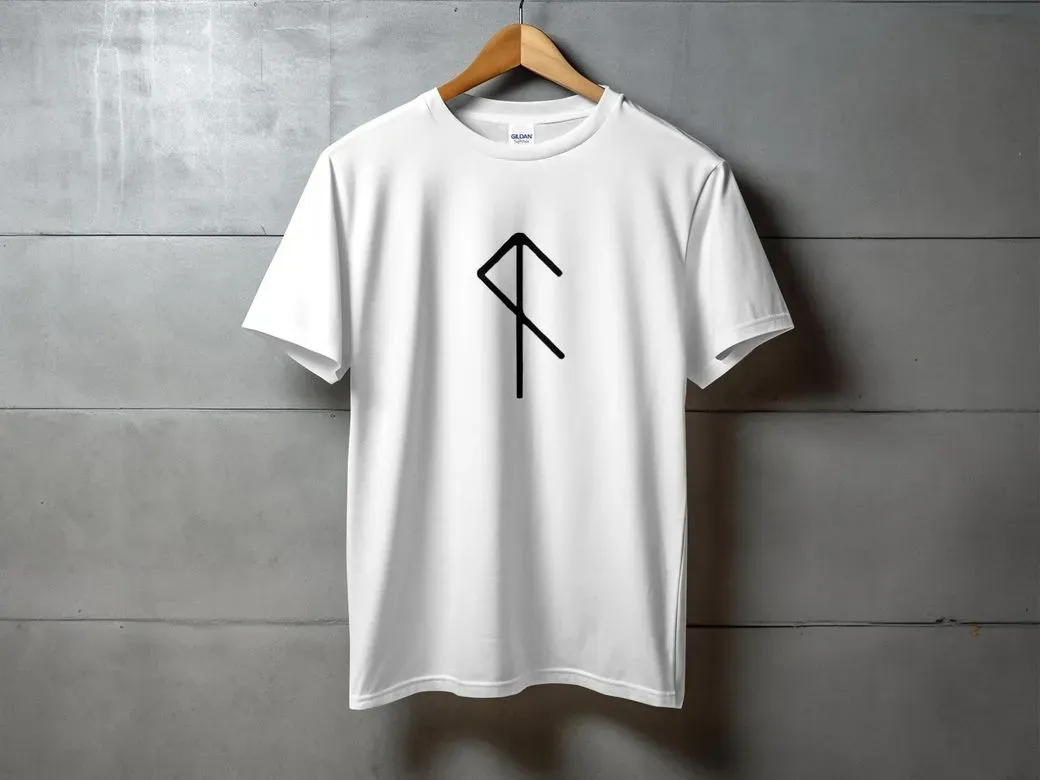
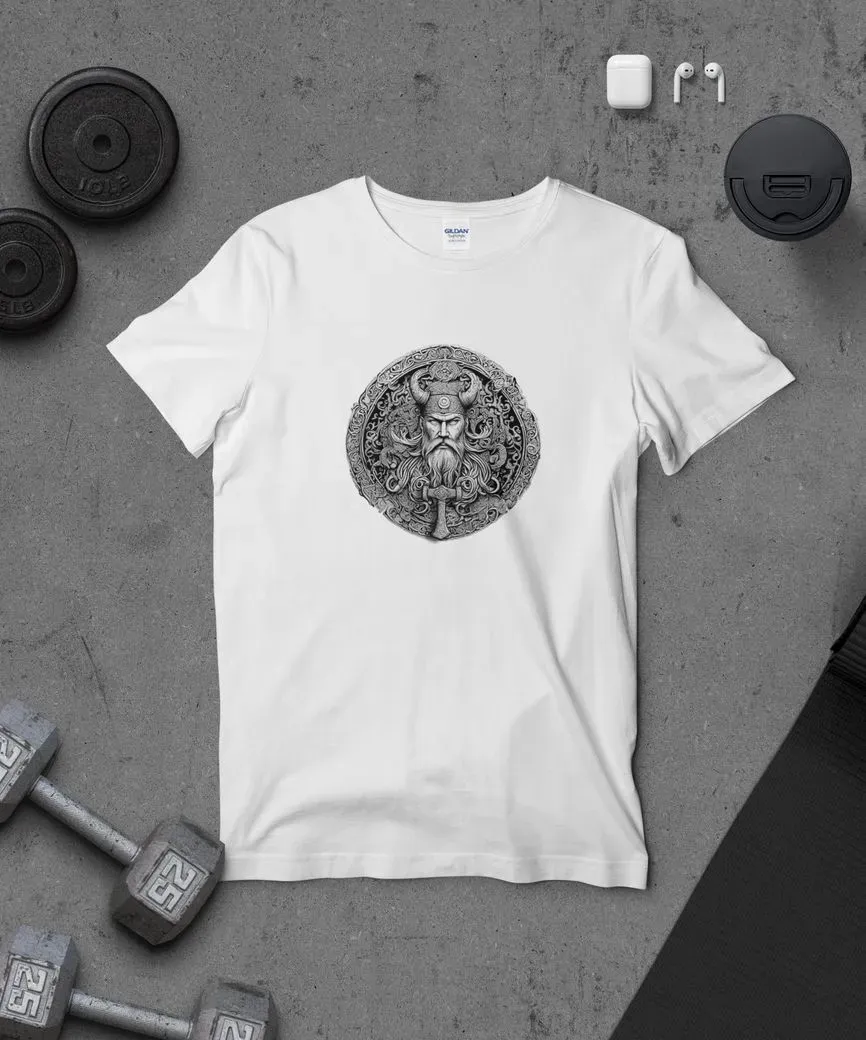
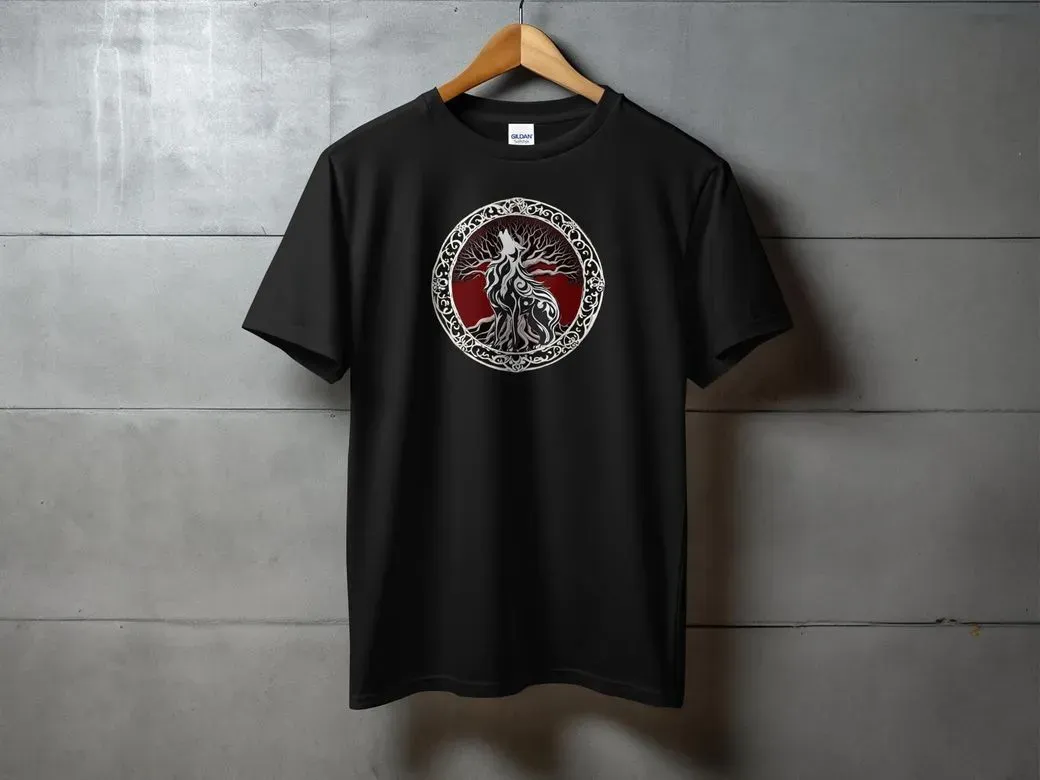
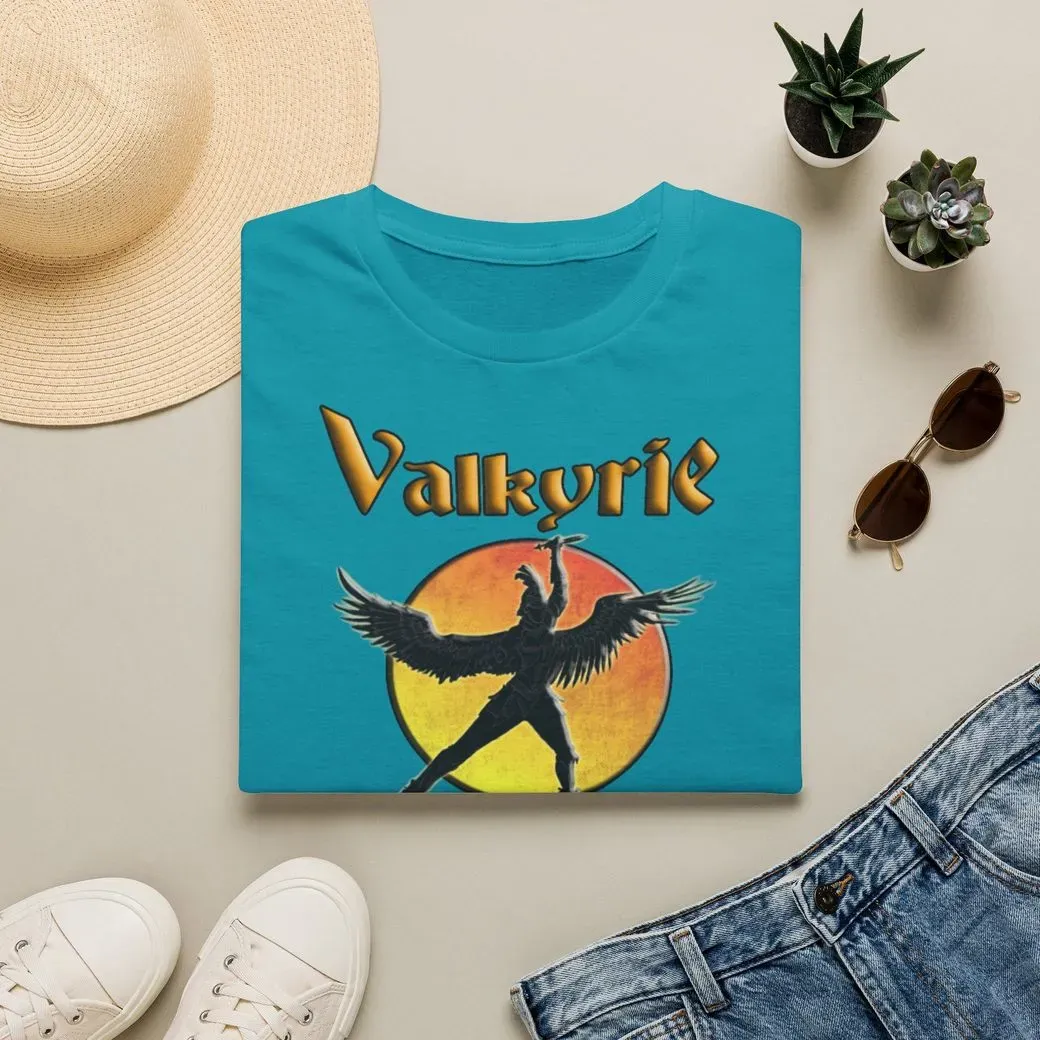
Wear the legend, embrace the Viking spirit.
Discover your saga today!
Reviews
Connect with NorseStudioDesigns
Viking myth and history

Runes and bindrunes
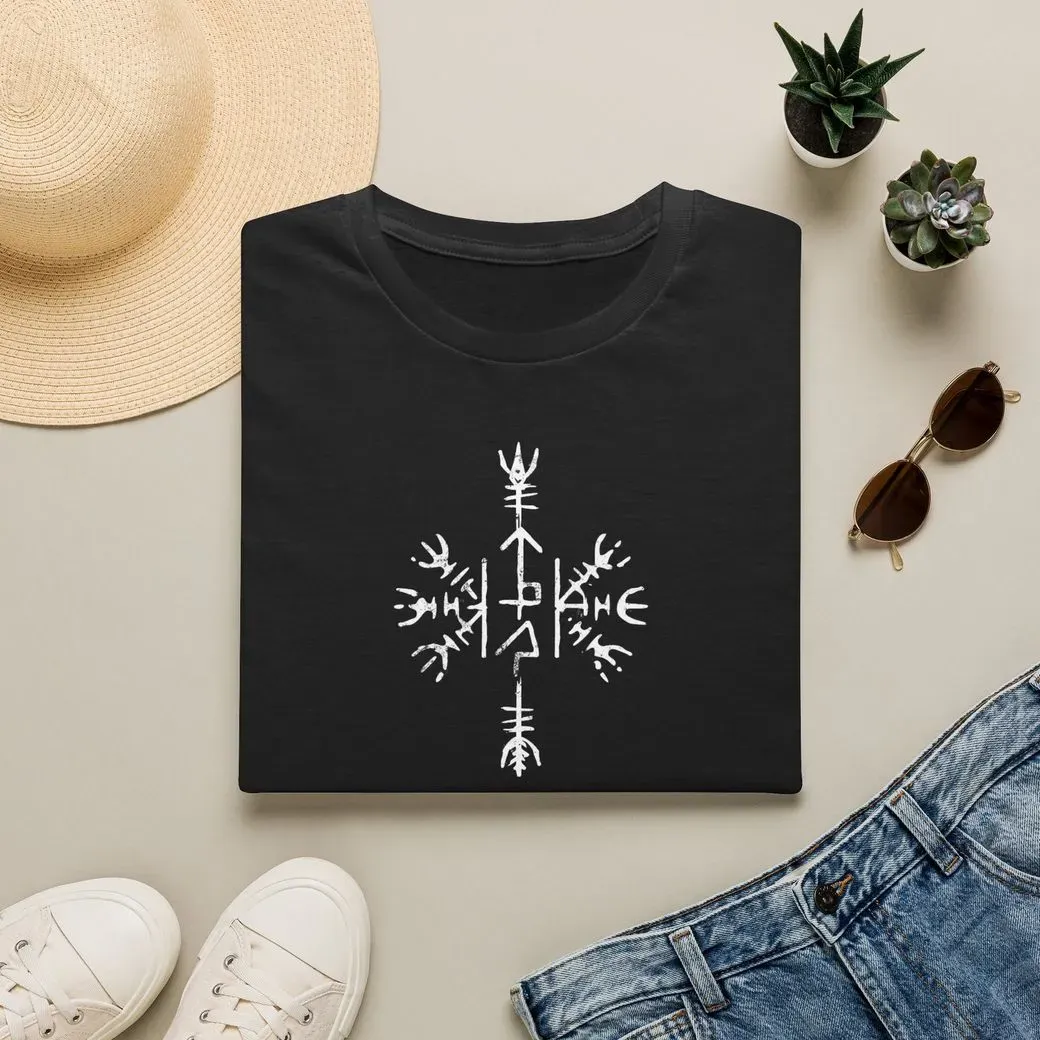
Runes are not just a means of communication by written and spoken language. The word “rune” means secret or mystery. Each rune represents both a phonetic sound and a disitinct meaning often connected with Norse mythology. A bindrune is a symbol made up of two or more runes. These runes are “bound” together to form one ligature, combining their meanings to enhance their power. The meaning of a bindrune is personal to the wearer, as it represents their individual hope, desires, and beliefs. They are typically created for specific purposes, such as protection, love, or success and can serve as a powerful reminder of the wearer’s intentions. However, a bindrune will only work if you use it, so remember to wear your t-shirt every day!
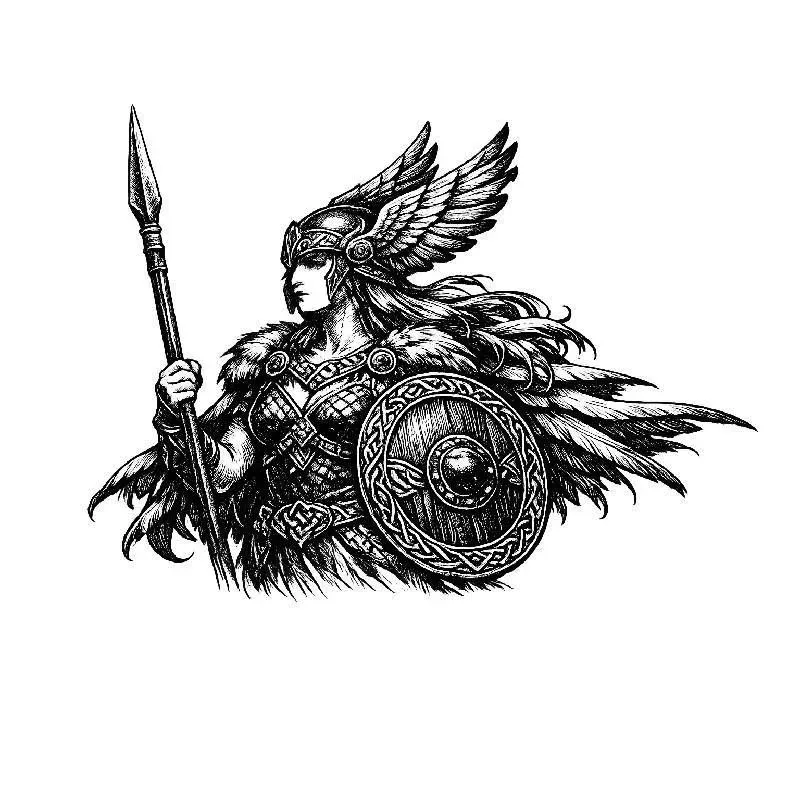
Valkyrie
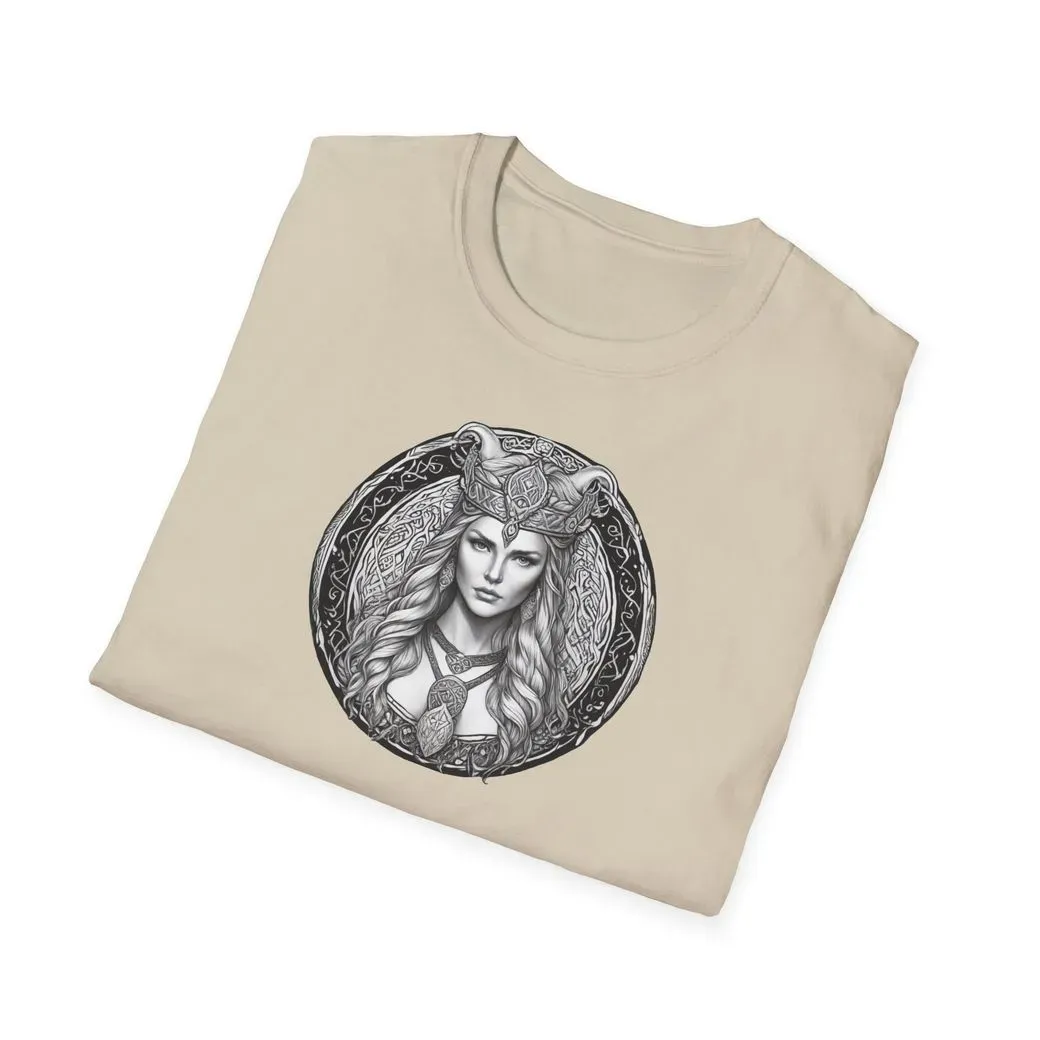
In Norse mythology, Valkyries are female death-"vetter". Odin sends them out to keep an eye on all wars and battles, and lets them choose the fall of men, i.e. decide who will fall in battle. Clad in full armor and armed, they can travel through air and water all over the world, and they always travel in packs.
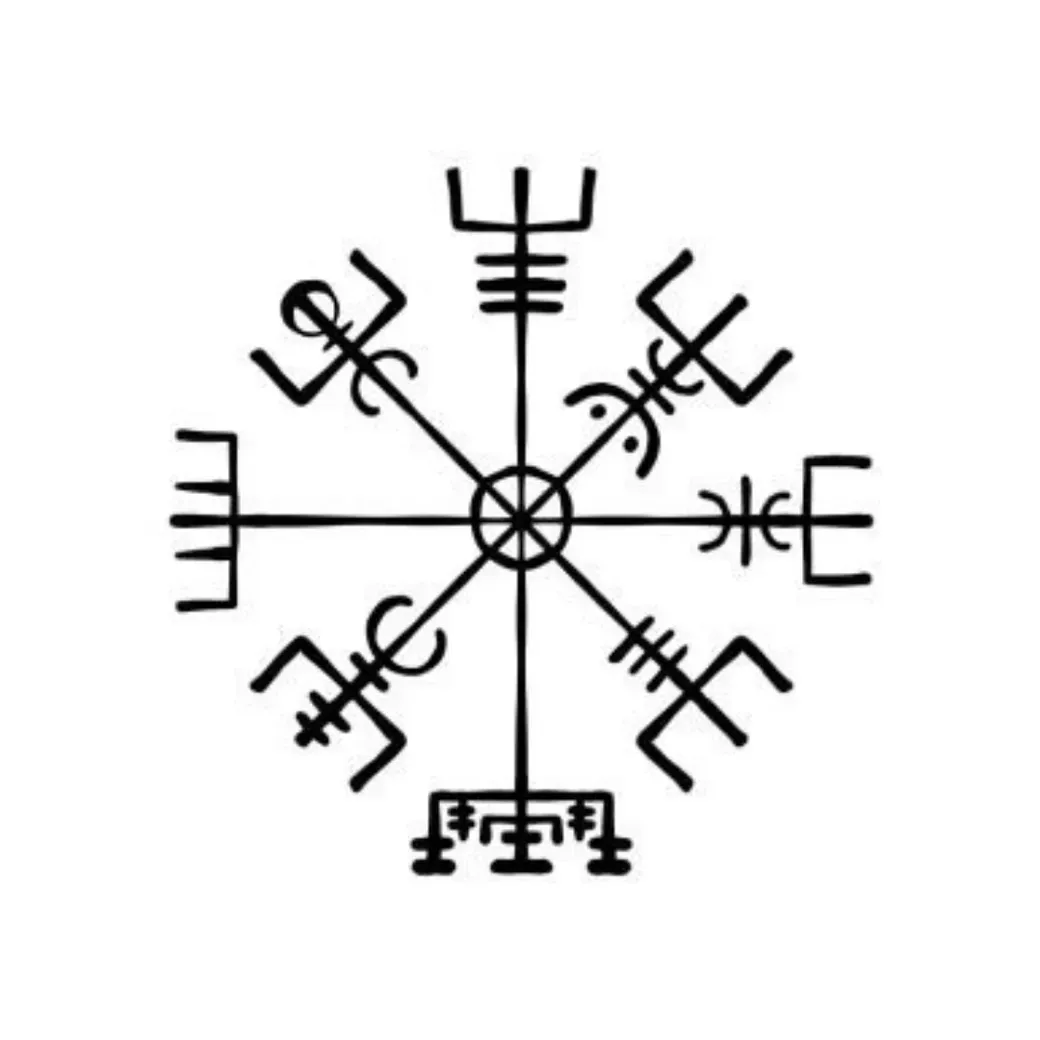
Vegvisir
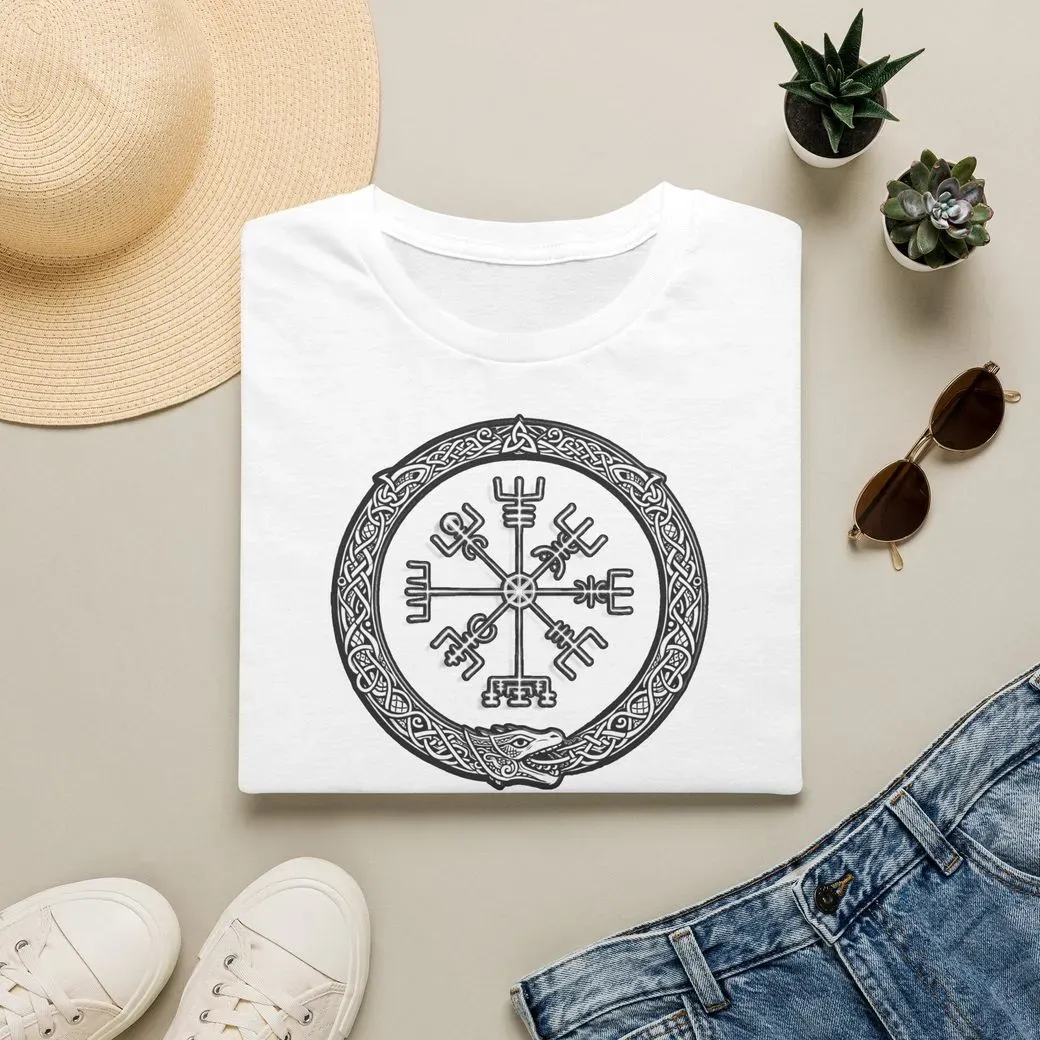
The Vegvísir, often called the "Viking compass" or "runic compass," is an Icelandic magical stave from the 19th-century Huld Manuscript designed to protect travelers and ensure they do not get lost in bad weather or unfamiliar paths. It is a "wayfinder" (from Icelandic vegur, way, and vísir, guide). Though widely considered a Viking Age artifact, historical evidence links it to later 19th-century folk magic.
Fenrir
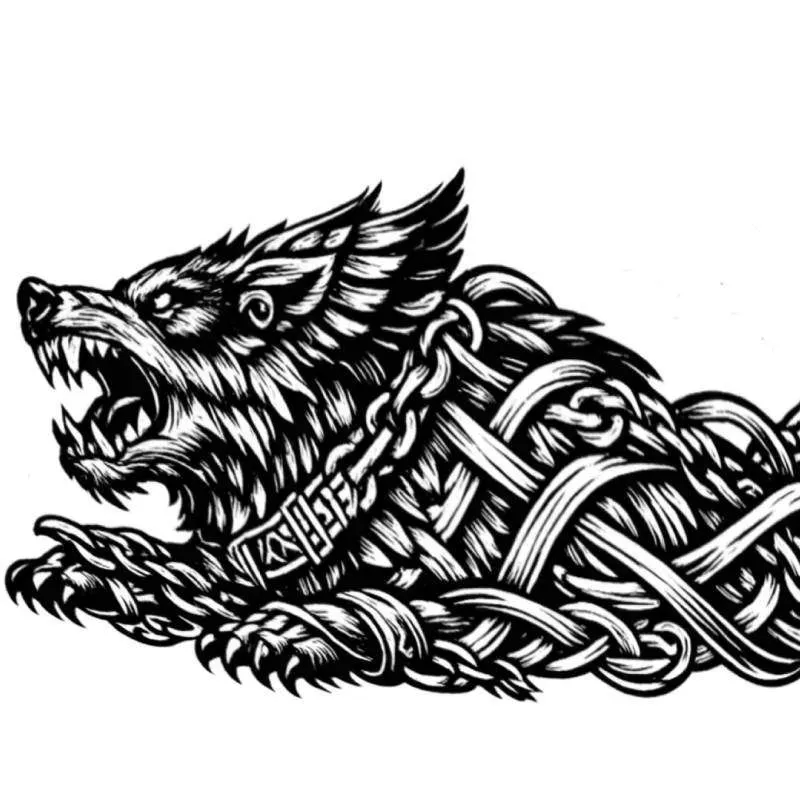
Fenrir. Pronounced ‘Fen-rear’, this giant wolf goes by many names, including Fenris Wolf, Hrodvitnir, or Vanargand. In Norse mythology Fenrir was a symbol of the chaotic forces of the universe, which take strength, courage and ingenuity to overcome. Fenrir plays a key role during the events of Ragnarök, where he is foretold to assist in setting the world aflame, resulting in the collapse of humanity and society.
Above Midgard rises a mighty tree, Yggdrasil. It is said that the roots grow deep underground, and that the branches reach right up to the sky. The myth also says that this is the world tree itself, the tree that holds the whole world up. If the tree is healthy, the world will also be healthy, if the tree is sick, the world will also be sick. On Yggdrasils leaves you can read how the world is doing.

Berserkers
Berserk was a term in the Viking Age for a Norse warrior seized by a wild rage where he attacked everything around him, a condition called "berserkergang", "berserksgang" or "berserkgang"(Latin: furor berserkicus). According to Grette's saga, Harald Hårfagre called his berserkers ulfhednar ("wolf pelts"), and in the same saga and in Landnåmabok the berserkers are also called trollauknir because there was supposedly sorcery behind their fury.
Ouroboros
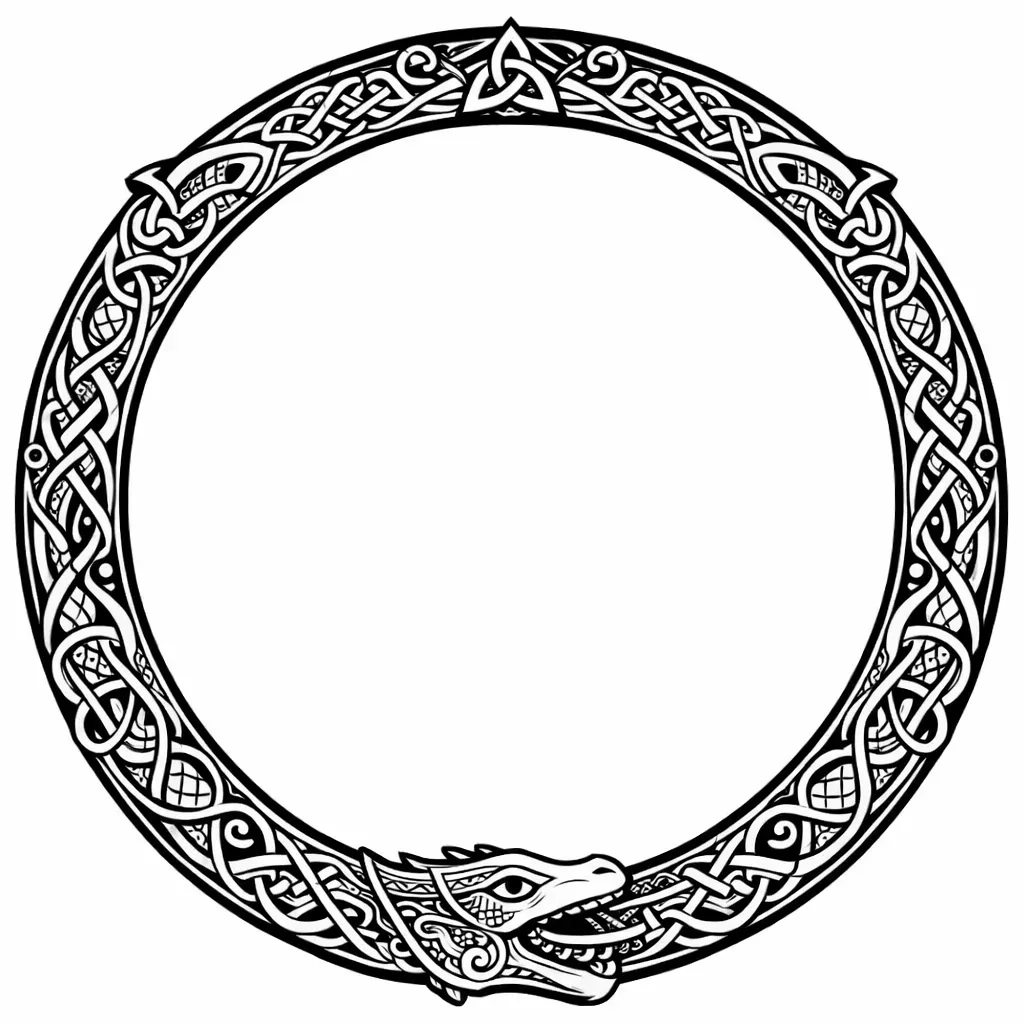
The Viking Ouroboros is a Norse mythological symbol depicting a serpent or dragon, specifically Jörmungandr (the Midgard Serpent), biting its own tail to form a circle. It represents the eternal cycle of life, death, rebirth, and the balance of opposing forces like chaos and order. It symbolizes the world's unity and continuity, often signifying that destruction is part of a renewal cycle.

Norse Gods
Thor.
Thor is a powerful god from Norse mythology. He is said to be the eldest son of Odin. Thor ruled the weather, especially the stormy weather, and it was said that both the roar of the thunder and the flash of lightning were created by his goat cart. He was also god of harvest and war. Both Thursday, thunder and many places are named after him.
Mjølner or Torshammer is in Norse mythology the hammer of Thor. Mjølner is Thor's most powerful weapon against the jots, and it (almost) never leaves his side.
Odin.
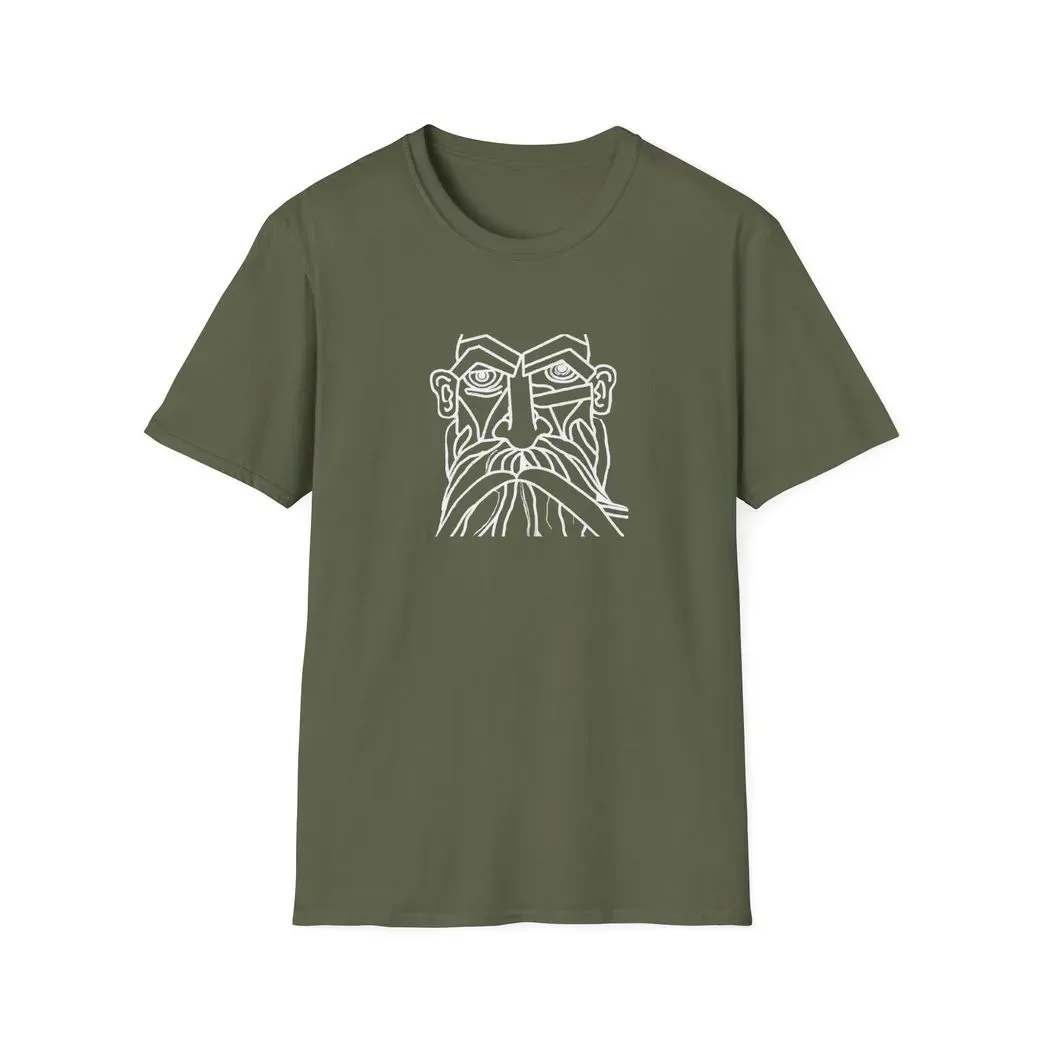
Odin is the God of warriors. He allows his Valkyries to select those who will fall in battle, and receives them in Valhall. There, the dead warriors train every day to be prepared when ragnarok comes.
As the god of knowledge and wisdom, he won his knowledge by sacrificing one of his eyes to drink from the well of knowledge. Odin is therefore one-eyed. He did this to understand the world he had created.
Frøya
Frøya is the goddess of war, fertility and love in Norse mythology and modern åsa belief. She was invoked in matters of love, during pregnancy and during childbirth. She also had power over growth in nature. She was nevertheless also a goddess of war and death. Frøya was the most beautiful of the Norse Gods.
According to Snorre Sturlason's Gylvaginning, her name has given rise to the honorific name "Frue" which is used for married wives. The name can mean lady or, in a figurative sense, ruler.

Hugin and Muninn
Known as Odin’s ravens, they are "thought" and "memory" personified, traveling the nine worlds to gather knowledge for the “Allfather” (Odin). They set out at dawn, fly over Midgard and Asgard, and return in time for breakfast to tell Odin the news. Because they provide him with vital intelligence on human and divine affairs, Odin fears losing them, particularly Muninn. They are often depicted perched on Odin's shoulders in artwork, and in the Viking Age, they were often depicted on amulets and brooches, connecting to the cult of Odin.